

 See My Latest Article on HelloNation
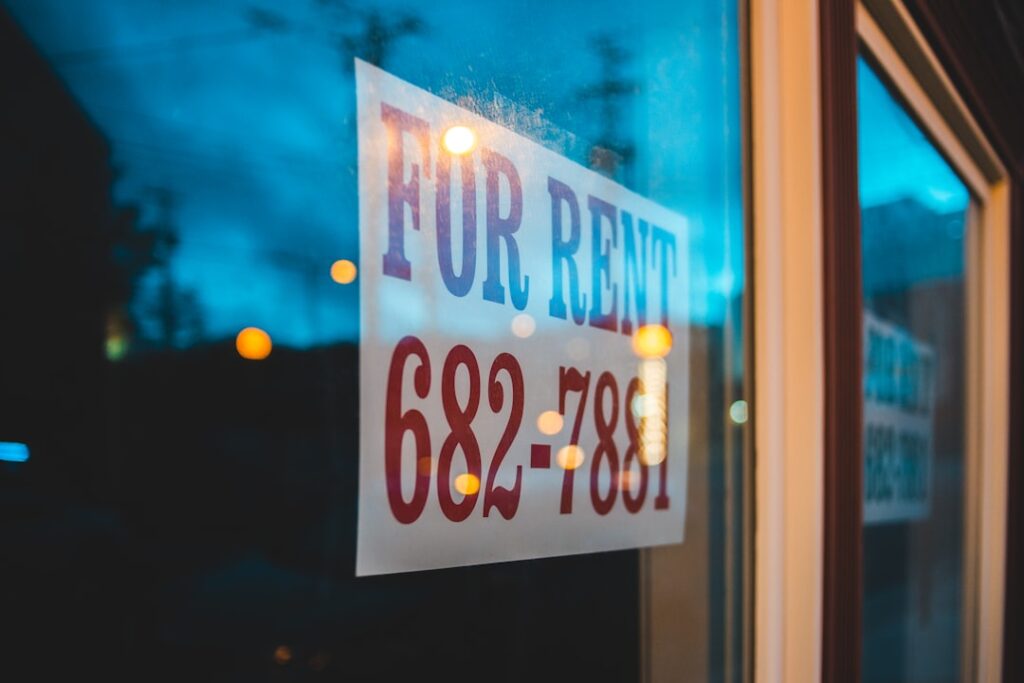
Why Screening Tenants Carefully Matters in Frankfort, KY
Careful tenant selection is essential for protecting property and maintaining a healthy rental environment. In Frankfort, KY, where rental properties range from historic homes to modern apartments, area landlords and homeowners often wonder what subtle signs might indicate a tenant isn’t the right fit. Interviews, whether in-person or virtual, play a key role beyond standard applications and background checks.
What Interview Red Flags Suggest Unreliable Payment?
A primary concern for any property owner is receiving rent on time. How potential tenants discuss their income and payment history can be telling.
- If an applicant hesitates or cannot clearly explain their source of income, this may signal unstable employment or unreported earnings.
- Vague or inconsistent answers about previous rental payments—such as claiming checks were "often late in the mail"—raise doubts.
- Overpromising (“I’ll always pay early!” without evidence) or becoming defensive when asked for documentation may warrant caution.
Local tip: In Frankfort, steady employment is often more meaningful than claims of large savings, given the area’s cost of living and job market stability.
How Can Evasive Answers Point to Potential Problems?
Direct, truthful communication is critical. Pay attention to candidates who avoid details or change topics.
- When asked about past rentals, a potential tenant who glosses over or won’t name previous landlords could be hiding past conflicts.
- If someone will not provide references or gives only family contacts, it’s a potential sign of issues with reliability or prior tenancies.
- Repeatedly asking to skip steps in the process, like background checks, is a frequent cause for concern.
Are Stories About Evictions or Lawsuits Always a Dealbreaker?
Not every past problem should result in rejection, but an applicant should be open and honest about their rental history.
- Frequent moves within a short period without a clear, logical reason may indicate eviction avoidance.
- If a candidate becomes defensive or refuses to talk about previous legal disputes, even minor ones, it can be an early warning.
- Listen for explanations that don’t match public records or written applications—consistency is key.
Misunderstandings about “tenant rights” sometimes surface in interviews in the area, but refusing to provide basic information isn't protected behavior.
What About Behavior During the Interview?
Body language and demeanor communicate almost as much as direct answers.
- Aggression or rudeness, especially toward reasonable questions, suggests future difficulty.
- Overly casual attitudes, such as speaking in vague generalities (“I’m sure everything will work out”), may hide undisclosed issues.
- Unwillingness to view the property, discuss lease terms, or attend an in-person tour (when possible) without a good reason can reflect a lack of genuine interest or possible intent to sublet.
Frankfort’s close-knit community often means word of mouth travels fast—applicants who seem in a rush to avoid scrutiny may know their local reputation isn’t strong.
Can Gaps or Inconsistencies in Stories Reveal Red Flags?
Discrepancies between written applications and interview responses should lead to closer scrutiny.
- Dates that don’t align (for jobs, schooling, or rental addresses) are sometimes a sign of trying to gloss over gaps in housing or income.
- Vague job titles, or frequent changes with unclear explanations, are worth clarifying—especially if the income claimed seems unusually high or low for local norms.
- If an applicant insists they cannot recall their current landlord’s name or address, it’s a legitimate reason to verify more thoroughly.

Are There Subtle Signs of Potential Property Neglect?
Pay attention to more than words—personal presentation and attitude can matter.
- Dismissive comments about property upkeep (“I don’t worry about cleaning; that’s what deposits are for”) indicate future problems.
- Complaints about previous landlords’ maintenance standards, especially if repeated, can signal unrealistic expectations or a lack of respect for the property.
- Insistence on making significant alterations (painting, renovations, new additions) before even signing a lease suggests a disregard for house rules.
What Common Misconceptions Lead to Overlooking Red Flags?
It’s easy to overlook warning signs out of politeness or a desire to keep units filled, but experience shows that trusting instincts—alongside objective checks—serves owners well.
- Wanting to help someone facing hardship isn’t wrong, but ignoring clear warning signs often leads to disputes or property damage.
- Believing that “local renters are less risky” can cause owners to miss problematic behavior traits out of a false sense of security.
- Many first-time landlords focus on income alone, but unwillingness to communicate or evasiveness often signals bigger problems than a low credit score.
How Does Local Knowledge Help Avoid Costly Mistakes?
Frankfort’s legal and community context also matters during screening. State and city-level fair housing protections must always be respected, but they do not prevent owners from looking for patterns of evasiveness, dishonesty, or consistent trouble with previous leases.
Getting to know the area’s typical housing challenges—such as seasonal flooding risks, older home maintenance issues, and school-year lease trends—may help frame good interview questions. Honest, respectful conversations during screening go a long way toward finding tenants who value their homes and contribute positively to their neighborhood.