

 See My Latest Article on HelloNation
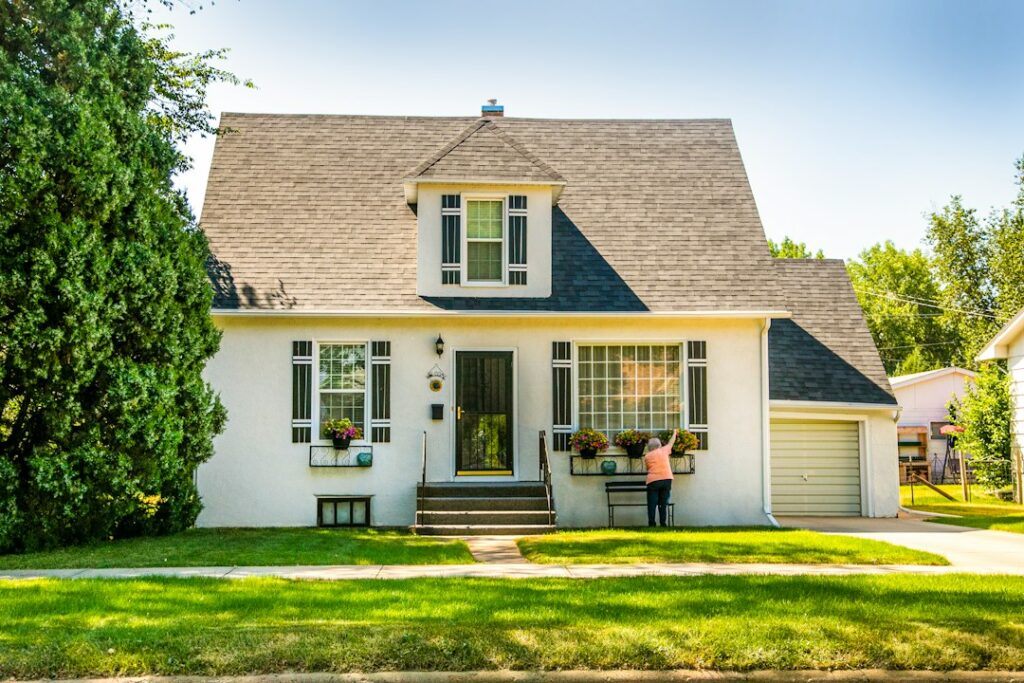
Seasonal maintenance is a routine responsibility for rental property owners and residents in Frankfort, KY. Regular checks help prevent water damage, heating and cooling problems, unsafe conditions, pest activity, and avoidable repair costs.
A useful checklist follows the changing weather rather than waiting for a system to fail. Some tasks belong to the property owner or manager, while residents may be responsible for basic upkeep, reporting problems promptly, and following the lease.
What should be checked in every season?
Every season calls for a quick review of the property’s essential systems. These checks are especially useful in homes that sit vacant between tenants or properties with older construction.
Look for:
- Leaking faucets, supply lines, toilets, and water heaters
- Missing or damaged caulk around tubs, showers, sinks, and windows
- Blocked air vents or unusually weak airflow
- Signs of moisture, mold-like growth, staining, or musty odors
- Smoke alarms and carbon monoxide alarms that need testing or battery replacement
- Loose handrails, damaged steps, uneven walkways, and poor exterior lighting
- Pest activity near kitchens, utility areas, attics, crawl spaces, and garages
- Filters, grilles, and registers covered with dust
- Appliances that make unusual sounds, smell hot, or perform inconsistently
Residents should report problems in writing as soon as they notice them. A small leak or intermittent heating issue can become a much larger problem if it is not documented and addressed.
What should be done in spring?
Spring maintenance focuses on moisture, drainage, cooling equipment, and the transition away from winter conditions. Periods of rain can reveal roof, gutter, foundation, and grading problems that were not obvious during colder months.
Inspect the exterior for:
- Loose or missing shingles, flashing, siding, and trim
- Gutters filled with leaves or sediment
- Downspouts that discharge too close to the foundation
- Standing water near the house after rainfall
- Soil or mulch covering siding or touching wooden components
- Cracks around windows, doors, masonry, and foundation walls
- Damaged screens that allow insects inside
Air-conditioning equipment should be checked before the first sustained hot weather. Outdoor units need adequate clearance from grass, weeds, leaves, and stored items. Indoor filters should be replaced or cleaned according to the equipment instructions and lease responsibilities.
Spring is also a good time to inspect crawl spaces, basements, and attics for damp insulation, condensation, pest entry points, and evidence of roof leaks. A musty smell does not always mean a major structural problem, but it should not be ignored.
How should rental properties be prepared for summer?
Summer preparation centers on cooling, humidity control, plumbing, and outdoor safety. A property can feel uncomfortable and accumulate moisture quickly if the cooling system is not operating properly.
Before hot weather becomes routine:
- Confirm that the air conditioner starts, cycles, and cools the home evenly
- Keep supply and return vents unobstructed by furniture or rugs
- Check that bathroom and kitchen exhaust fans operate
- Make sure windows close and lock securely
- Inspect weatherstripping around exterior doors
- Look for condensation on ducts, pipes, windows, and basement surfaces
- Check outdoor hoses and faucets for leaks
- Remove standing water from containers, clogged drains, and low areas
Residents should avoid setting the thermostat dramatically lower than normal in an attempt to cool the home faster. That approach may increase strain on the system without producing faster cooling.
Humidity problems may appear as peeling paint, swollen wood, damp carpeting, or persistent condensation. Leaks, inadequate ventilation, and cooling equipment problems should be reported rather than covered up with paint or air fresheners.
Outdoor areas also need attention. Decks, porches, fences, retaining walls, stairs, and walking surfaces should be checked for rot, loose boards, unstable railings, and slippery growth. Grilling, storage, and outdoor equipment should not block exits or damage siding.
What maintenance is needed before fall?
Fall is the transition season for heating systems, leaves, plumbing protection, and storm readiness. Completing these tasks before temperatures drop can reduce emergency problems during the first cold spell.
Important checks include:
- Test the heating system before it is needed every day
- Replace or clean the furnace filter as directed
- Confirm that heating vents and returns are open
- Inspect chimneys, flues, and vents for blockage when applicable
- Clean gutters and downspouts after most leaves have fallen
- Seal gaps around doors, windows, pipes, and utility penetrations
- Trim branches that touch the roof or are close to power lines
- Store or protect outdoor hoses and shut off exterior water connections when appropriate
- Check that basement or crawl-space vents are functioning as intended
- Review emergency shutoffs for water, electricity, and gas

Heating equipment should never be covered, blocked, or used to dry clothing and other materials. Portable heaters require clear space around them and should be plugged directly into suitable outlets rather than overloaded extension cords.
Before winter, residents should know how to report a loss of heat, frozen pipe, gas odor, or electrical hazard. Emergency instructions should be easy to find, particularly in multi-unit housing.
How can a rental property be protected during winter?
Winter maintenance is mainly about preventing frozen pipes, ice-related falls, heat loss, and roof or drainage damage. Cold weather can affect both occupied and vacant properties.
During freezing conditions:
- Keep indoor heat at a safe level, including during short trips
- Open cabinet doors under sinks on exterior walls if pipes are at risk
- Allow a small amount of water to flow only when instructed by the property owner or manager
- Keep exterior doors and windows fully closed
- Report rooms that remain unusually cold or pipes that make banging sounds
- Remove snow and ice from walkways when that responsibility is assigned to the resident
- Avoid using salt or deicers that may damage concrete, plants, or metal surfaces
- Watch for ceiling stains, dripping water, or ice buildup near roof edges
A frozen pipe should not be thawed with an open flame. Heat from a hair dryer or another suitable method may be safer in limited situations, but residents should first follow the property’s emergency instructions and avoid electrical equipment near standing water.
Vacant homes require extra attention. Heat cannot simply be turned off during freezing weather unless the plumbing has been properly winterized. Water supply lines, toilets, traps, and heating equipment can suffer serious damage when a property is left unprotected.
Which tasks belong to residents, and which require property management?
Responsibility depends on the lease, the type of repair, and whether the issue involves ordinary upkeep or a building system. Residents commonly handle basic cleanliness, changing accessible filters when assigned, replacing standard alarm batteries when required, keeping vents clear, and reporting damage.
Property owners or managers generally handle structural components, plumbing failures, electrical defects, heating and cooling equipment, roof problems, exterior hazards, and conditions that affect habitability or safety. Local rules and the lease determine the precise division of duties.
Residents should not make unauthorized repairs, alter wiring, disconnect alarms, remove safety devices, or hire outside workers without approval. Photos, dates, and clear descriptions make maintenance reports easier to evaluate.
What maintenance problems should be reported immediately?
Certain conditions should be reported without waiting for a routine inspection:
- No heat during freezing weather
- Active plumbing leaks or water coming through ceilings or walls
- Gas odors, burning smells, sparks, or repeated electrical trips
- Sewage backups or toilets that cannot be used
- Broken exterior doors, windows, locks, or handrails
- Smoke or carbon monoxide alarm failures
- Significant mold-like growth or rapidly spreading moisture
- Frozen pipes, burst pipes, or water near electrical equipment
- Unsafe steps, walkways, decks, or ceilings
Seasonal maintenance works best as a shared process: property owners and managers maintain major systems and building components, while residents observe conditions, complete assigned upkeep, and report concerns early. In a community with hot summers, wet weather, freezing periods, and older as well as newer rental housing, a calendar-based approach is more reliable than waiting for a repair emergency.