

 See My Latest Article on HelloNation
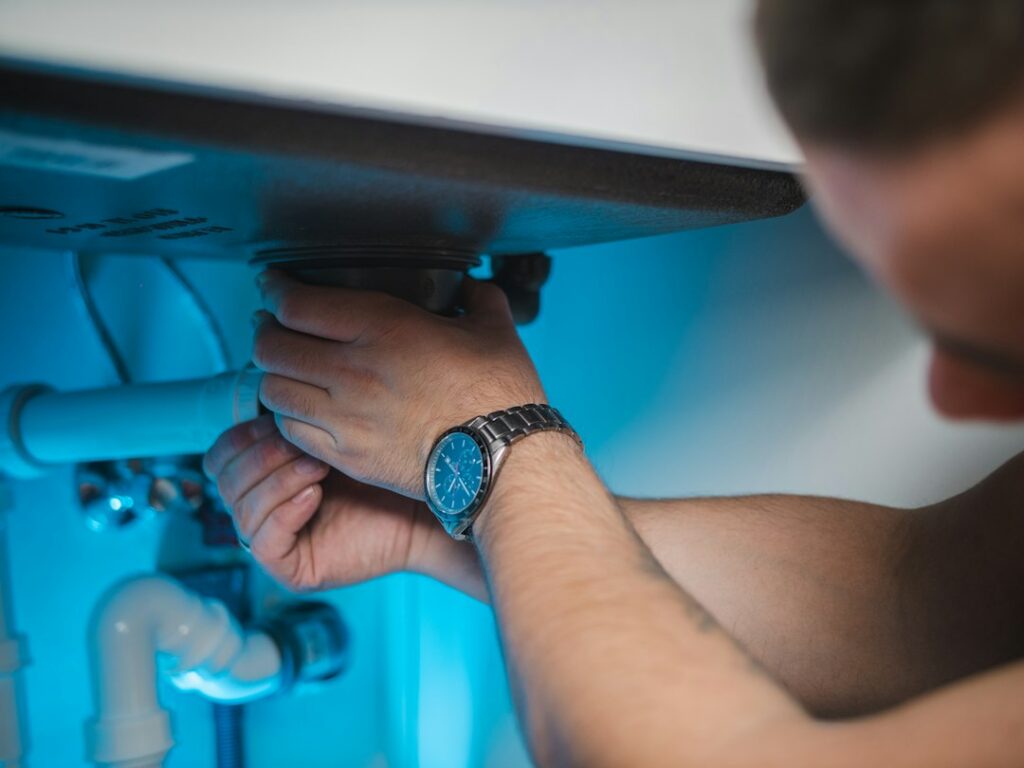
Property repairs are not automatically better as do-it-yourself projects or automatically safer when assigned to a professional. The right choice depends on the repair’s risk, complexity, urgency, cost, and possible effect on the rest of the building.
For residents and property owners in Frankfort, seasonal moisture, freeze-and-thaw conditions, heavy rain, aging housing materials, and storm-related damage can all influence how quickly a small defect becomes a larger repair.
Which repairs are usually reasonable to handle yourself?
DIY repairs are generally appropriate when the work is low-risk, easy to inspect, and unlikely to affect wiring, plumbing systems, structural components, or weather protection.
Common examples include:
- Replacing a damaged door sweep
- Tightening cabinet hardware
- Replacing air filters
- Patching small nail holes
- Touching up interior paint
- Replacing a standard toilet flapper
- Clearing leaves from accessible gutters
- Replacing a showerhead or faucet aerator
- Adjusting a loose gate latch
- Replacing smoke-alarm batteries
These tasks still require care. A minor plumbing replacement can cause water damage if a connection is not tightened correctly. A ladder-related fall can turn a simple gutter cleaning into a serious injury. DIY work is most suitable when the person doing it understands the instructions, has the proper tools, and can stop if unexpected conditions appear.
A useful test is this: if the repair fails, will the likely result be a cosmetic inconvenience, or could it cause flooding, fire, injury, mold growth, or major property damage? Cosmetic and low-consequence work is more suitable for DIY handling.
When should a professional handle the repair?
Professional assistance is usually appropriate when the repair involves a safety hazard, a regulated building system, specialized equipment, or a problem that may have multiple causes.
This commonly includes:
- Electrical wiring, panels, outlets, or circuit problems
- Gas lines, gas appliances, or combustion equipment
- Major plumbing leaks inside walls or below floors
- Sewer backups or recurring drainage problems
- Roof leaks, damaged flashing, or unsafe roof access
- Structural cracks, sagging floors, or shifting foundations
- Water intrusion, extensive mold, or concealed moisture
- Heating and cooling equipment
- Extensive storm or wind damage
- Repairs involving load-bearing walls
- Work requiring permits or inspections
Kentucky building requirements can apply to electrical, plumbing, mechanical, structural, and other alterations. Permit rules may also differ depending on whether the property is owner-occupied, rented, vacant, or part of a larger building. A repair that appears simple may have compliance requirements if it changes a system or affects safety.
For rental properties, the decision is also shaped by the owner’s legal responsibilities. A repair should not be delayed simply because it seems inexpensive or manageable. A broken handrail, failed heat, exposed wiring, water leak, or unsecured window can affect habitability and tenant safety.
How does the local climate affect repair decisions?
Frankfort experiences four distinct seasons, regular rainfall, humid conditions, and periods of freezing temperatures. That combination places repeated stress on roofs, gutters, siding, masonry, plumbing, foundations, and exterior wood.
Freeze-and-thaw cycles can enlarge cracks in concrete, mortar, steps, and driveways. Rain can expose roof and drainage problems that remain hidden during dry weather. Humidity can slow drying and contribute to musty odors, peeling paint, wood deterioration, or mold when water enters a wall or basement.
This makes early investigation especially valuable. A small ceiling stain after a storm may come from a roof penetration, clogged gutter, damaged flashing, or plumbing line. Painting over the stain without identifying the source can hide the warning while the underlying damage continues.
Seasonal maintenance can often remain a DIY responsibility if the work is safe:
- Inspect visible caulking around windows and doors
- Keep accessible gutters and downspouts clear
- Check exterior hose connections before freezing weather
- Look for missing shingles or damaged siding from ground level
- Test sump pumps and water-leak alarms
- Inspect basement walls and floors for new dampness
- Check weather stripping around exterior doors
Roof climbing, electrical troubleshooting, and work near unstable structures are not appropriate simply because the problem appears small.
Is DIY repair actually cheaper?
DIY work can reduce labor costs, but the total cost includes tools, materials, time, mistakes, repeat visits to purchase supplies, and possible damage caused by an incorrect repair.
A homeowner may save money replacing a damaged door seal. The financial calculation is different if a plumbing repair requires opening a wall, drying wet materials, replacing insulation, and treating mold.
Professional work may also provide documentation, required inspections, and a clearer record for insurance or future property transactions. That does not mean every repair requires outside help. It means the apparent price of the repair should be compared with the cost of failure.
Before starting, consider:
- What is the worst realistic result if the repair fails?
- Is the cause clearly understood?
- Can the work be completed without entering a dangerous area?
- Are permits or inspections required?
- Does the repair affect a tenant, neighbor, or shared system?
- Can the finished work be tested safely?

If the answer to several of these questions is uncertain, DIY savings may not justify the risk.
What repairs should property managers document?
Documentation is useful for both owner-occupied and rental properties. Keep photos of the original problem, notes about when it was discovered, records of materials used, and information about any inspection or repair.
For rental housing, documentation can help establish:
- When a tenant reported the issue
- Whether the condition was urgent
- What temporary measures were taken
- When access was provided
- What work was completed
- Whether follow-up inspection was needed
A repair log is particularly helpful for recurring issues. Repeated leaks, circuit trips, clogged drains, or HVAC failures may indicate a larger system problem rather than separate minor incidents.
Photos should show the surrounding area, not only the damaged spot. A picture of a ceiling stain is more useful when it also shows nearby walls, vents, windows, and the room layout.
How can residents avoid making a repair worse?
The safest DIY approach is limited, deliberate, and reversible. Turn off water or power only when the shutoff is clearly identified, protect nearby surfaces, follow the manufacturer’s instructions, and avoid covering evidence of active damage.
Stop work immediately if any of the following appears:
- Burning smells, heat, sparks, or discolored wiring
- Water entering near electrical equipment
- Gas odors or carbon monoxide concerns
- Rapidly spreading water damage
- Structural movement or falling materials
- Sewage contamination
- Extensive mold or hidden moisture
- A repair that requires cutting into an unknown wall or ceiling
In an emergency, protect people first, then limit additional damage if it can be done safely. Shut off the appropriate utility, move belongings away from water, and preserve photos and records before cleanup changes the condition.
What is the practical rule for choosing DIY or professional work?
Use DIY methods for simple maintenance and clearly understood cosmetic repairs. Use professional help when the work involves safety, structural integrity, concealed damage, regulated systems, hazardous materials, or a meaningful risk of property loss.
The goal is not to avoid DIY work or outsource every task. It is to match the repair method to the consequences of being wrong. In Frankfort, timely attention to moisture, freezing temperatures, storm damage, and aging components can prevent a minor maintenance issue from becoming a much larger property problem.